LANTK Chairman Zhang Huiyi Shares Multi-Environment Coupled Simulation Technology for Magnesium Building Materials Under Complex Environmental Challenges
2026-09-04
The 2nd International Academic Conference on Magnesium Building Materials and Magnesium Chemicals was held from July 18 to 20, 2025 at the International Conference Center of Dalian University of Technology. Scholars from multiple universities and research institutes gathered at Dalian University of Technology to explore innovative pathways for magnesium materials in green and low-carbon development. The conference focused on core topics including multi-channel utilization technologies for magnesium resources, new raw materials and processes for magnesium-based cementitious materials, and the development and optimization of new products, discussing the green and low-carbon development of magnesium materials.
On July 20, Ms. Zhang Huiyi, Chairman of Beijing Lantian Juntai Intelligent Equipment Co., Ltd., delivered an academic report titled "Research on Multi-Environment Coupled Simulation System Technology in Engineering Structures" at the magnesium building materials forum.
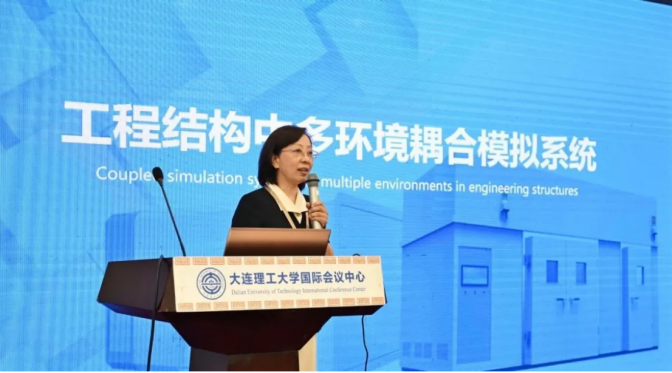
As modern engineering extends into complex environments such as plateaus and oceans, magnesium-based building materials face severe challenges from coupled multi-factor effects including damp heat, salt attack, freeze-thaw cycles, and dynamic loading during actual service. Traditional single-environment simulation methods can no longer meet the R&D needs of high-performance materials. Drawing on LANTK's technical exploration and practical cases, Ms. Zhang demonstrated how multi-environment coupled simulation technology supports the R&D of magnesium materials and the improvement of engineering durability.
Ms. Zhang introduced LANTK's Multi-Environment Coupled Simulation System, which integrates control capabilities for temperature, humidity, low pressure, UV radiation, CO2 attack, and salt spray to faithfully reproduce composite scenarios such as high-altitude low-pressure/high-radiation and marine tidal corrosion environments. The report specifically highlighted that the system's CO2 test module can simultaneously evaluate the carbon sequestration capacity and durability of magnesium-based cementitious materials, providing data support for green building material certification.
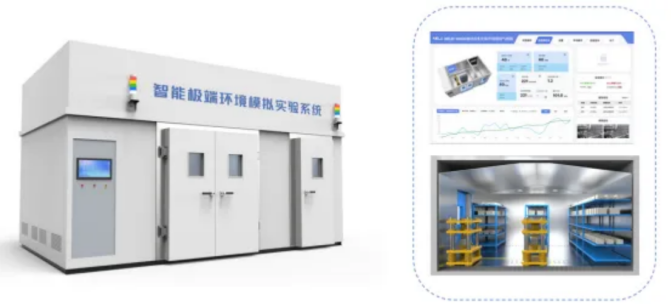
At the application level, this technology has already served major engineering scenarios: the intelligent marine climate simulation test system accelerates validation of the chloride-ion penetration resistance of marine engineering materials, providing dynamic environmental boundary conditions for engineering design; high-altitude environment simulation chambers reproduce diurnal temperature differences and low-pressure environments to screen weather-resistant material formulations for projects such as the Sichuan-Tibet Railway. Ms. Zhang noted that LANTK is exploring the integration of Industrial Internet and digital twin technologies into its test systems - by real-time twinning of on-site engineering environment data, the systems can dynamically predict material performance across the full lifecycle, providing technical assurance for the application of magnesium building materials in emerging fields such as new energy and aviation.
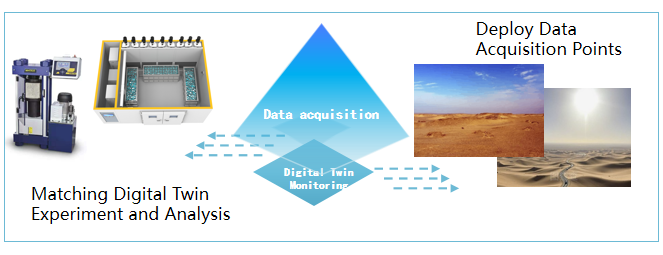
The report offered new ideas for innovative research on magnesium building materials under complex environments. LANTK's Multi-Environment Coupled Simulation System has established an important basic experimental platform for collaborative industry-academia-research development. Its technical pathway of "precise environment reproduction - dynamic performance evaluation - full-lifecycle prediction" will effectively advance the engineering application of magnesium-based building materials.